Adopting the University’s First Canine Cop

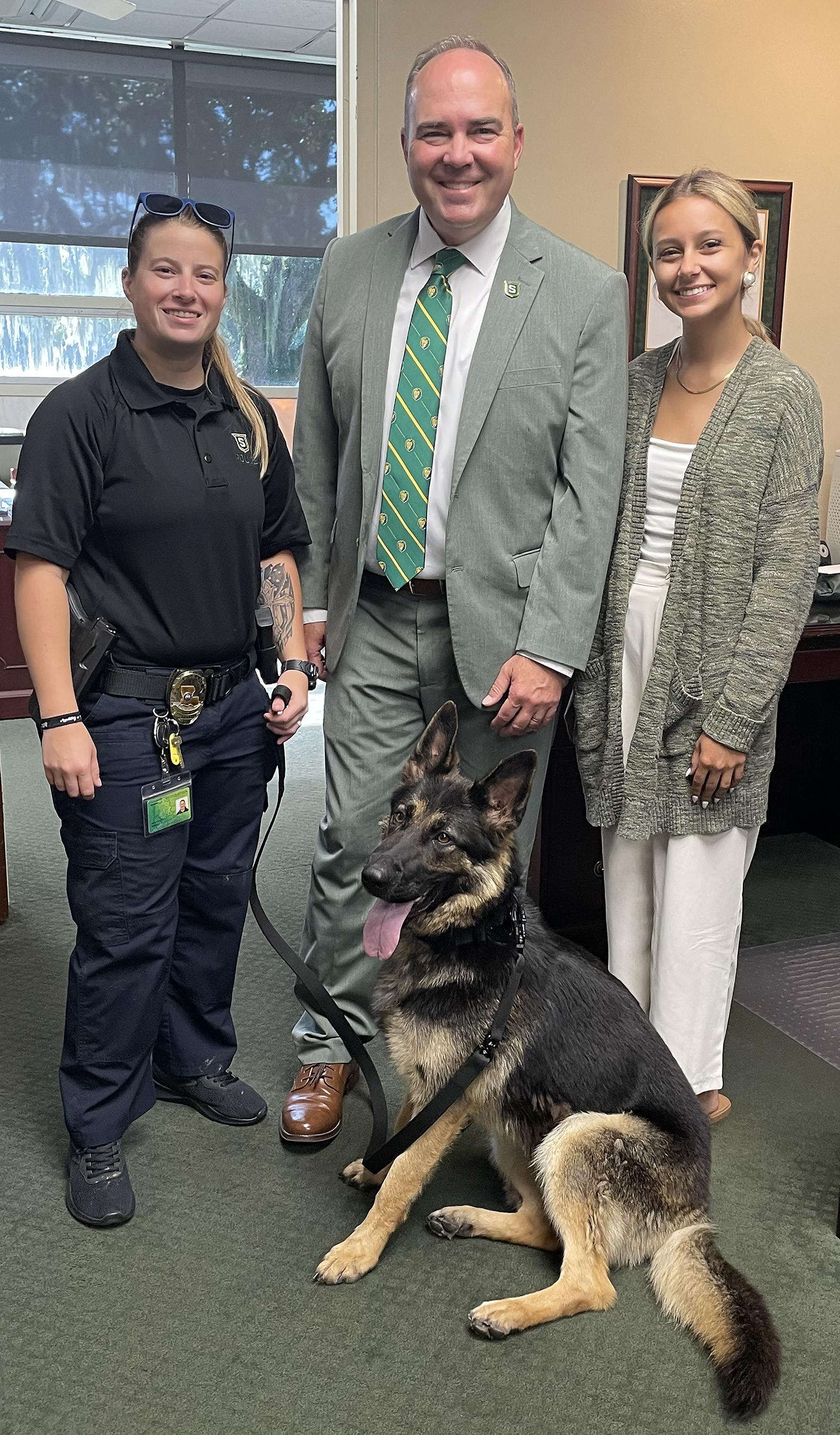
Southeastern’s Police Department has added a four-legged officer to its force. K-9 Jula is a two-year-old German Shepherd from Poland who is certified in explosives detection.

Jula is partnered with her handler, Sgt. Michelle Blanchard. Both Jula and Blanchard returned from Liberty Hills, Tex., last week after completing a three-week-long certification course. Training will continue throughout the year and include safety sweeps for special events, sporting events, and any emergency situations that may arise.

Southeastern President William S. Wainwright wholeheartedly supports the new K-9 Division.

“We are excited about the addition of our first K-9 officer to Southeastern UPD,” said Wainwright. “Jula will be a great ambassador of safety, student support, and officer training and development.”

University Police Chief Michael Beckner agrees, stating that with the implementation of Southeastern’s K-9 Division, UPD is able to add another layer of protection to the Southeastern community.

“Safety is our top priority, and K-9 Jula allows us to continue those efforts in a greater capacity,” he explained. “UPD offers this resource to our community partners, school districts, and local law enforcement agencies as well.”

Beckner added that although Jula is socialized and loves getting pets and attention, she is a working dog; therefore, permission must be granted by her handler first before approaching her, since she may be in a working capacity.

For more information, contact UPD at police@southeastern.edu.

Expanding the Collegiate Recovery Program

Southeastern has launched the Collegiate Recovery Expansion Project to support college students in recovery. The program is possible thanks to the support of the Louisiana Department of Health’s Office of Behavioral Health and Florida Parishes Human Service Authority. The initiative includes over $1.3 million to create campus spaces that are recovery-informed, supportive, and empowering. The campuses that will implement the Collegiate Recovery Programs are as follows: Southeastern, Louisiana State University, Tulane University, Grambling State University, Northshore Technical Community College, and Southern Law Center.

“Substance misuse within college campuses is a national issue, which can easily overwhelm college students during one of the most pivotal times in their lives,” said Assistant Director of Intervention and LION UP Recovery Annette Baldwin. “According to the National Institutes of Health, 2007, less than 10 percent of college students suffering from substance misuse seek assistance. Unfortunately, all too often this can lead to academic failures, tragic accidents, and, in some cases, lost lives.”

The goal of the Collegiate Recovery Expansion Project is to create campus environments that meet the needs of all students. The CRPs are designed to support students who have or are at risk for developing a substance abuse disorder, Baldwin explained. This includes creating supportive programming for students in recovery, while educating the campus community on substance misuse prevention and sustaining recovery efforts. CRPs have the potential to save lives, Baldwin said, but are also essential for academic success, as they create supportive environments, promote resilience, increase retention, and graduation rates.

“There are significant benefits to having a Collegiate Recovery Program on college campuses. The presence of CRPs can shift perceptions on campus and reduce stigma, opening doors for more students to seek help,” Baldwin said. “These programs can also serve as important recruitment tools for students in recovery seeking an institution that can support their educational and recovery goals.”

Southeastern launched LION UP Collegiate Recovery in 2019; it was one of the first collegiate recovery programs in Louisiana. Since that time, over 19 students have been served, and 13 students in recovery successfully graduated.

“We want students to know that we are building a network of collegiate recovery programs in Louisiana. If you are a student in recovery, we are ready for you, and we will support you,” said Baldwin.

For more information, contact Baldwin at Recovery@southeastern.edu.

The grants are made available through funding from the U.S. Substance Abuse and Mental Health Services Administration, The Substance Use Prevention, Treatment, and Recovery Services Block Grant (SUPTRS BG)-American Rescue Plan Act (ARPA).

Top image, from left: Southeastern LION UP Recovery Coordinator Bryan Sadler, NTCC College-Wide ADA Coordinator Beth Froeba, Tulane Recovery Community Director Jacob Goldberg, LSU Collegiate Recovery Program Manager Adam Singer, NTCC Instructor and Faculty Advisor Robert Pate, Grambling Violence Prevention Coordinator Kim Gibson, Grambling Counseling Center Director Coleen Speed, Southeastern Assistant Director of Intervention and LION UP Recovery Annette Baldwin, and FPHSA Prevention Coordinator Tykesha Robertson. Not pictured are Southern University Law Center Associate Vice Chancellor of Academic Support, Counseling, and Bar Preparation and Professor of Law Cynthia Reed, and Southern University Law Center Director of Collegiate Recovery Kimberly Decker.

Breaking Ground

Creating the Robin Roberts Broadcast Media Center

By Tonya Lowentritt

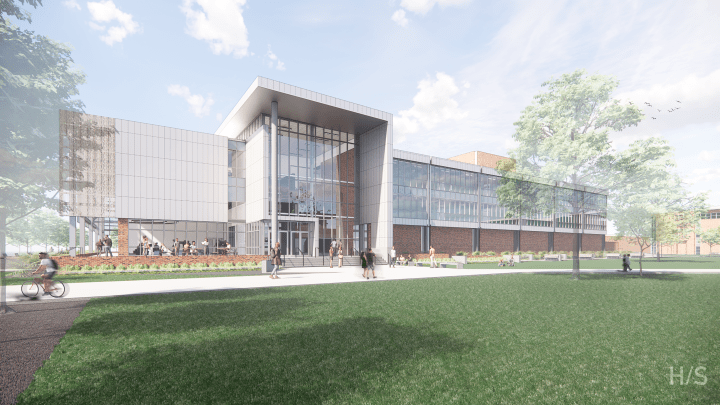
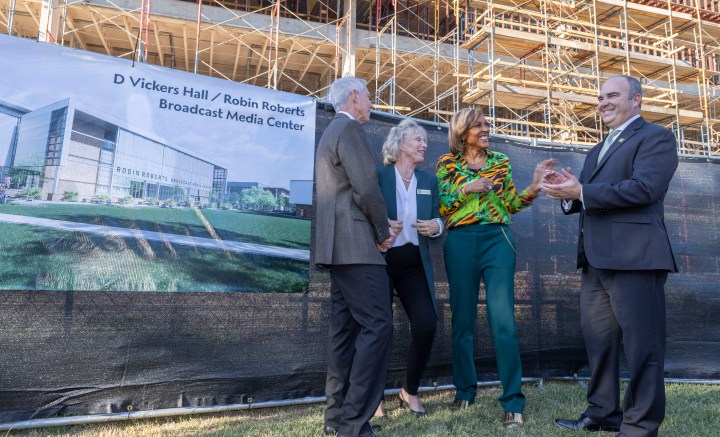
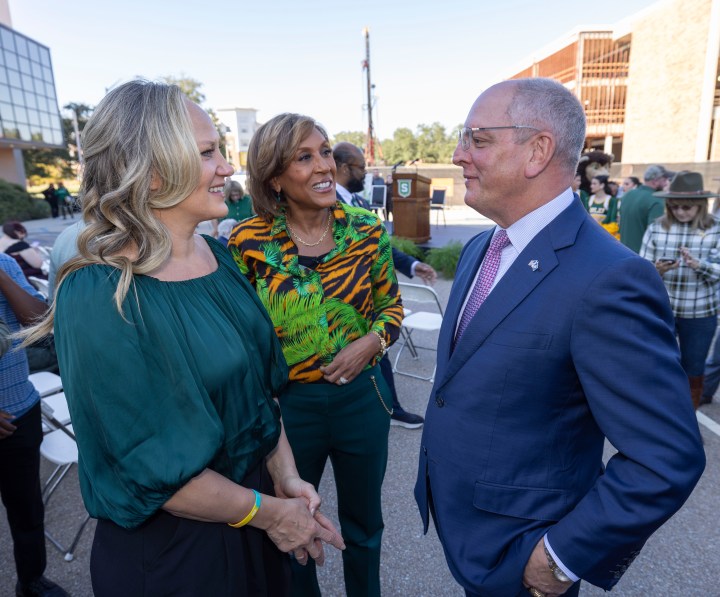
Good Morning America Co-Anchor Robin Roberts, then Gov. John Bel Edwards, representatives of Southeastern Louisiana University, and officials gathered together on a Thursday afternoon in November 2023 to celebrate the official groundbreaking for the construction of the Robin Roberts Broadcast Media Center and the $40 million renovation of D Vickers Hall. The Robin Roberts Broadcast Media Center will add an additional 33,000 square feet to the 80,000-square-foot academic building and will include three broadcast media studios—a newsroom, a film studio, and a multimedia studio. The architect for the project is Holly and Smith of Hammond.

The project will be paid for through state Capital Outlay funds and a sizable donation from Roberts.

20013_Cover Page Rendering

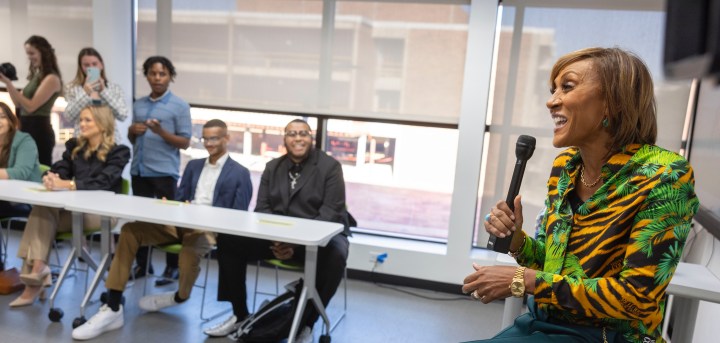
“Every time I’m back on this campus, I’m 18 years old again with big eyes, big dreams, and big hair. And yes, the optics may have changed, but the Southeastern spirit has not,” Roberts said. “I am so incredibly proud of the standard of excellence here at Southeastern already with the Department of Communication and Media Studies. It’s exciting to know that this broadcast center is going to attract students from all over the country and the world and to know the skills that they are going to obtain. But more importantly, knowing that what we’re going to do is allow them to have big dreams, to focus small but dream big and have those dreams come true.”

“This facility is greatly overdue, as our faculty and students have been operating with limited space,” said Southeastern President William S. Wainwright. “The new facility will greatly enhance the classroom and specialized lab space needed to provide modern instructional opportunities to our students.”

a110223_1115

The finished 113,000-square-foot facility will continue to serve its existing academic programs in English, theatre, foreign language, and communication. However, the Communication and Media Studies department will include a major expansion of the curriculum for the cutting-edge broadcast/media facility. The new addition will feature not only film and TV studios, but also radio studios and foley and film audio studios, along with their associated control, support, and edit rooms.

The third floor will contain additional shared classroom spaces for all four departments within the building. A new reconfiguration of faculty office space will increase access to natural light and offer more opportunities for student/faculty collaboration.

a110223_1207

In addition to the three broadcast media studios and upon completion of the renovation and construction, D Vickers will include 104 offices, 27 classrooms, two 100-seat lecture rooms, five computer labs, and four English/language labs.

Another major component of the renovation is a makeover of Vonnie Borden Theatre. The renovated theatre will seat 498 people and include scene and costume shops, a green room, and male and female dressing rooms.

A 1983 communication graduate and former basketball star, Roberts learned her basic broadcasting skills as a student-athlete working at the university’s KSLU radio station and as the part-time sports director at Hammond’s local radio stations. She entered the broadcasting field upon graduation and eventually joined ESPN, hosting SportsCenter and contributing regularly to NFL Primetime. She joined the Good Morning America team in 2005.

a110223_1051

a110223_0475

Named Southeastern’s Distinguished Alumna of the Year in 1996, the Pass Christian, Mississippi, native has also been inducted into Southeastern’s Athletics Hall of Fame and the Women’s Basketball Hall of Fame by the WNBA. In 2006, she was named one of the NCAA’s “100 Most Influential Student-Athletes” in conjunction with the NCAA Centennial Celebration. Southeastern Athletics retired her jersey in 2011 with a ceremony in the University Center.

Southeastern recognized Roberts with an honorary doctorate in 2014. At the hooding ceremony during that spring commencement then Southeastern President John L. Crain said, “Robin has been a tremendous treasure for Southeastern, and we are proud to confer upon her this honorary doctoral degree. Her personal and professional achievements have made her a true role model. She is one of the university’s foremost advocates and ambassadors.”

a110223_0990
From left to right, Southeastern Vice President for University Advancement Wendy Lauderdale, Southeastern President William Wainwright, Tangipahoa Parish President Robby Miller, Louisiana Senator Bill Wheat, Good Morning America Co-Anchor Robin Roberts, former Southeastern President John Crain, then Louisiana Governor John Bel Edwards, then ULS System President Jim Henderson, State Representative Nicky Muscarello Jr., and Hammond Mayor Pete Panepinto helped break ground on the Robin Roberts Broadcast Media Center.

Welcoming Reginald F. Lewis Scholars

Recently the Reginald F. Lewis Scholars, an initiative focused on Black male retention led by the University of Louisiana System, visited Southeastern. 

The program aims to enhance the collegiate experience of Black male students across all University of Louisiana System institutions. Specifically, it recruits Black males and offers educational programs, mentoring opportunities, and co-curricular experiences to improve outcomes. Each cohort consists of two students selected from each UL System member institution, totaling 18 members annually per cohort.

During their visit, the scholars took a tour of Southeastern and were welcomed with a networking reception. After the tour, they traveled to Baton Rouge, where they spent a day learning from various political leaders, elected officials, and research innovators about the importance of civic engagement, leadership, and research innovation. They were also provided seminars on post- graduation success, international affairs and studying abroad, and the research process and approaches to economic, civic, and community development.

Southeastern scholars include Demille Davis and Dylan James (Cohort 1), Nicholas Gibson and Joshua Randall (Cohort 2), and Kennith Woods and Jarius Smith (Cohort 3). 

“These young men have worked extremely hard to represent Southeastern in various capacities within the program,” said World Languages and Cultures Instructor and Undergraduate Coordinator Jerry Parker. “Additionally, Dylan James was honored at this visit, alongside other seniors, for his participation in the program and upcoming graduation.” 

Kick Off the Football Season with Coaches Caravan

Southeastern Athletics invites fans to kick off the 2024-25 athletic year with the Coaches Caravan, which begins July 16.

Admission is $10 for each of the three stops on the caravan, with Southeastern employees and students receiving free admission by presenting their university ID. Coaches club members for 2024-25 will also receive free admission.

Fans can enjoy a night of food, fun and fandom while hearing from all of Southeastern’s head coaches. Head football coach Frank Scelfo is scheduled to be at all three stops.

Each event starts at 6 p.m. The first stop is scheduled for July 16 at Greystone Golf & Country Club (9461 St. Andrews Court) in Denham Springs. The caravan moves on to The Rusty Pelican (482 Myrtle Dr.) in Covington July 18. The final stop sees the Lions return to Hammond July 24 at Gnarly Barley Brewing (1709 Corbin Rd.).

For more information on the Coaches Caravan, contact Deputy Athletic Director/SWA Lindsey Owens at lindsey.owens@southeastern.edu or 549-5226.

Professor Named Fulbright Scholar

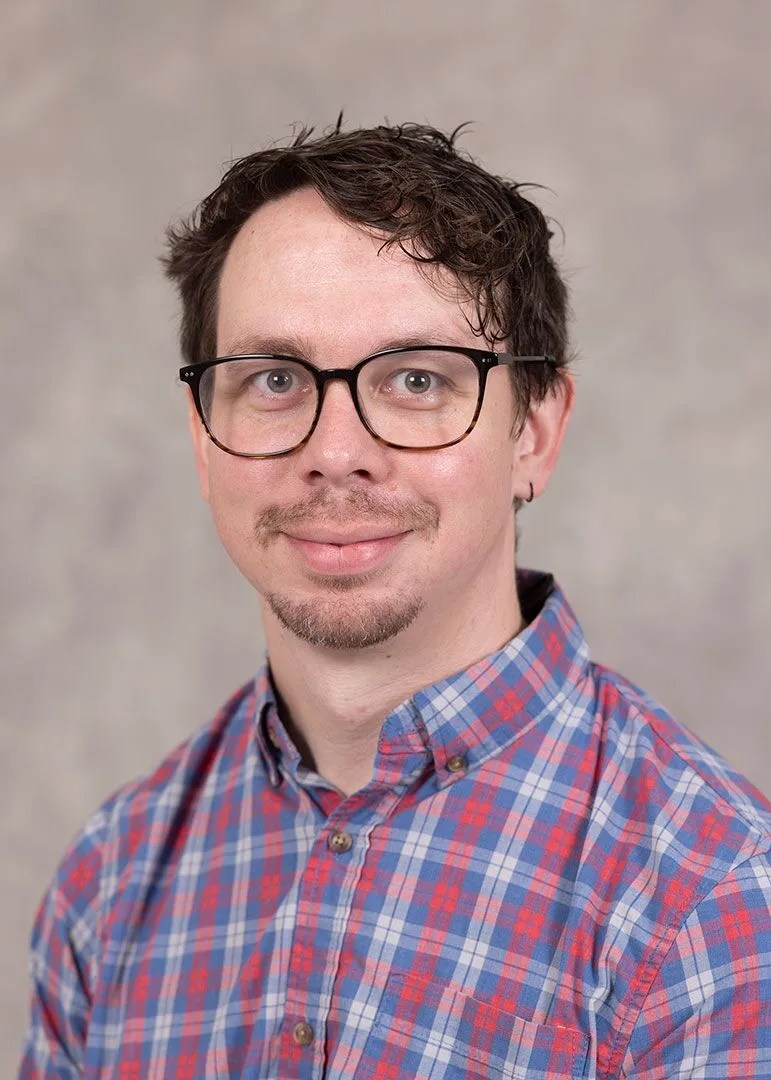
slu_josh_mcdermott.jpgSoutheastern Assistant Professor of Sociology and Criminal Justice Joshua McDermott has been selected to receive a Fulbright U.S. Scholar fellowship. He will conduct research and teach in the Sociology Department at Njala University in Bo, Sierra Leone, the country’s third largest city and largest city in the South of the country.

According to Fulbright Director of Academic Relations Julie Taylor, Fulbright Scholar Awards are prestigious and competitive fellowships that provide unique opportunities for scholars to teach and conduct research abroad.

“Fulbright scholars play a critical role in U.S. public diplomacy, establishing long-term relationships between people and nations,” Taylor said. “Alumni include 62 Nobel Laureates, 89 Pulitzer Prize winners, 80 MacArthur Fellows, and thousands of leaders and world-renowned experts in academia and many other fields across the private, public, and non-profit sectors.”

McDermott’s research focuses on the nature of irregular and informal work in Africa, like work done outside of formal wage work, such as street vending. He plans to continue his research in Sierra Leone, looking at the political behavior and views of college educated young people who are forced to survive in the informal economy. While there, McDermott also plans to finish the field research and writing for his first book.

“Research on informal labor markets in the rapidly automating global economy is timely and important,” said Sociology and Criminal Justice Department Head Kenneth Bolton. “Dr. McDermott’s theoretical insight and unique skill set allows him to investigate the impact of economic restructuring on the experiences of workers, as well as their ability to organize, struggle and define their lives. He is very deserving of this honor, which will also benefit the university and our students.”

When asked why he thought he was selected for the fellowship, McDermott said he thinks it’s because informal and irregular work is a central and understudied issue in global and domestic politics and economics.

“Around 90 percent of people in Sierra Leone do not have formal jobs. Surviving in the informal sector entails precarity and poverty, and a majority of the world’s workers work informally,” he said. “So I think there is a growing recognition of the need to address and understand why informality is so prevalent and how it impacts political stability, economic development, and individual lives and communities.”

McDermott said he feels lucky and privileged to be able to spend an academic year conducting field research in a place he loves (Sierra Leone) because it is an opportunity not many people get.

“I am really excited to be able to build connections between students and faculty in Sierra Leone and the students and faculty at Southeastern,” he  said. “I think there are so many learning opportunities that can arise from building connections between Njala and Southeastern, and I hope to facilitate that in any way I can.”

Happily Ever After

An Alumna’s Journey to Becoming a Best-Selling Romance and Disney Author

By Sheri Gibson

Many people dream of becoming a professional author, landing on the New York Times Best Sellers list and doing what they love from the comfort of their home—or from exotic locales around the world. However, it’s a dream that few are ever able to capture.

But through a combination of great talent, insight, and determination, alumna Farrah Roybiskie (’01) has been able to make this seemingly storybook scenario a reality.

Farrah, who writes under the pen name Farrah Rochon, has been writing stories ever since she can remember, first falling in love with the idea of getting to make up elaborate stories as a child. As she grew up, she discovered other passions, including psychology and digging in to how people think, but a love for writing always stayed with her.

Farrah Rochon

After the St. John the Baptist Parish native graduated from Xavier University in New Orleans, where she started working on her first novel on the side, she enrolled at Southeastern for a master’s degree in psychology with a concentration in industrial/organizational psychology.

When it came time to pick a grad school, Farrah knew Southeastern was the place for her upon touring the campus for the first time. “The campus was gorgeous, everything was laid back, and I just thought, this is a better fit for me. And it was; it turned out to be great—the professors, everything about it,” she said.

It was in the warm atmosphere of Southeastern that she kept working on her debut book.

“I was in the library all the time at Southeastern. And sometimes I would just go out on campus with my little notepad and allow myself to just be.”

“It was one of the best moves that I could have made,” she added. “Some of the classes that I took, like comparative psychology, were the best classes I’ve ever taken.”

And while at first glance psychology may seem disparate from writing, Farrah’s studies actually play a significant part in her career as a novelist.

The author reports that her process for coming up with the stories and characters is one area that is particularly enhanced by this.

She first plots out everything that will happen before even writing a single word, thinking through everything. Then, she fully delves into fleshing out the characters. “The characters will come in very quickly because, again, I’m always interested in how people think, so I spend a lot of time on characterization,” she said. “I use a lot of psychology methods, such as Myers-Briggs and different personality tests. I will get in the character’s head and answer those tests in their heads, because you have to know their personality in order to make them authentic. My biggest thing is always making sure I am having them react the way the character with that personality would react and not the way I would react.”

By the time she graduated from Southeastern, Farrah knew that she wanted to pursue writing as a fulltime career. She was picked up by a small New York publisher, who helped get her work onto shelves at Borders and Barnes and Noble—the big leagues at that time. After a few books, she moved to Harlequin, which published another 14 of her works.

“People love to make fun of Harlequin novels,” she said with a smile. “I used to make fun of them when my aunt would read them. But Harlequin turned out to be such a great thing for me. People buy them more for the book itself instead of the author, so it’s a great way for new writers to find an audience. And a lot of readers discovered me because I started writing for them.”

When Kindles first became must-haves for many readers and independent publishing really began to take off, Farrah tried publishing through this route and found great success.

Eventually, though, she came up with a high concept book idea and knew that partnering with a major agency would be her best bet moving forward.

71oQiA9WxrL._AC_UF1000,1000_QL80_“I knew that I had something special when I came up with the idea for my Boyfriend Project series about five years ago, and it was another one of those business moves where I had to go with my business sense instead of my heart. I realized that my little independent career wasn’t enough for this idea. It was bigger than that. So, I decided to go back to New York publishing, and it was the best move I could have made. The first book [in the series] was my 39th book, but a lot of people thought it was my first because they had not heard of me before it came out. It really put my career into a different stratosphere.”

This book, The Boyfriend Project, released in 2020, become a USA TodayBestseller. The third book in the series, The Hookup Plan (2022), is Farrah’s all-time favorite that she’s written, and it was chosen by The Today Show as a recommended summer read.

Since that move, Farrah has also begun writing official Disney novels, starting with the New York Times Best Seller Princess Tiana book Almost There: A Twisted Tale.

Not only was making that ranking a bucket-list achievement for Farrah, but so was working with Disney. “When they talk about the Disney adult, that’s me. It’s basically my personality,” she said.

“It was something that I did not know was even a dream that could come true, because I did not think that I could write for them since I wrote adult romance,” she said of being asked to write for Disney. “And it’s been something that has stretched my creativity and brought me places that I never thought I would be as a writer. It’s amazing. I’m having the most fun that I’ve ever had in the 17 years that I’ve been doing this job.”

In addition to making the top bestseller lists, her books have been featured in other media including O, The Oprah Magazine; Cosmopolitanmagazine; Entertainment Weekly; NPR; and Shondaland.

In order to accomplish so much and meet deadlines for multiple projects at once, Farrah keeps a very strict regimen, writing 2,000 words a day. To achieve this and avoid burnout, she again pulls from her psychology training, utilizing the Pomodoro Technique by working in timed 25-minute increments interspersed by 5-minute breaks.

Even while traveling, which Farrah loves to do, having recently visited locales such as Disneyworld, Egypt, Australia, and New Zealand, she usually keeps up the work. “I like to travel a lot,” she said. “It’s the one benefit of being able to work wherever you are. I will bring my laptop, or sometimes write on an iPad. But if I’m on a deadline, if I can get 2-300 words in while I’m at the airport, I will do it.”

This dedication, from delving deep into the psychology of characters to putting in the work time in the most effective ways, combined with a natural talent, have paid off, helping Farrah to live her best life. And while she still has goals of hitting #1 on the New York Times Best Seller list, she’s happy with where her path has led her.

“I really am so satisfied and content with where I am now,” she said. “If I can just continue to write and go out and meet the readers, which I love, I will be satisfied.”
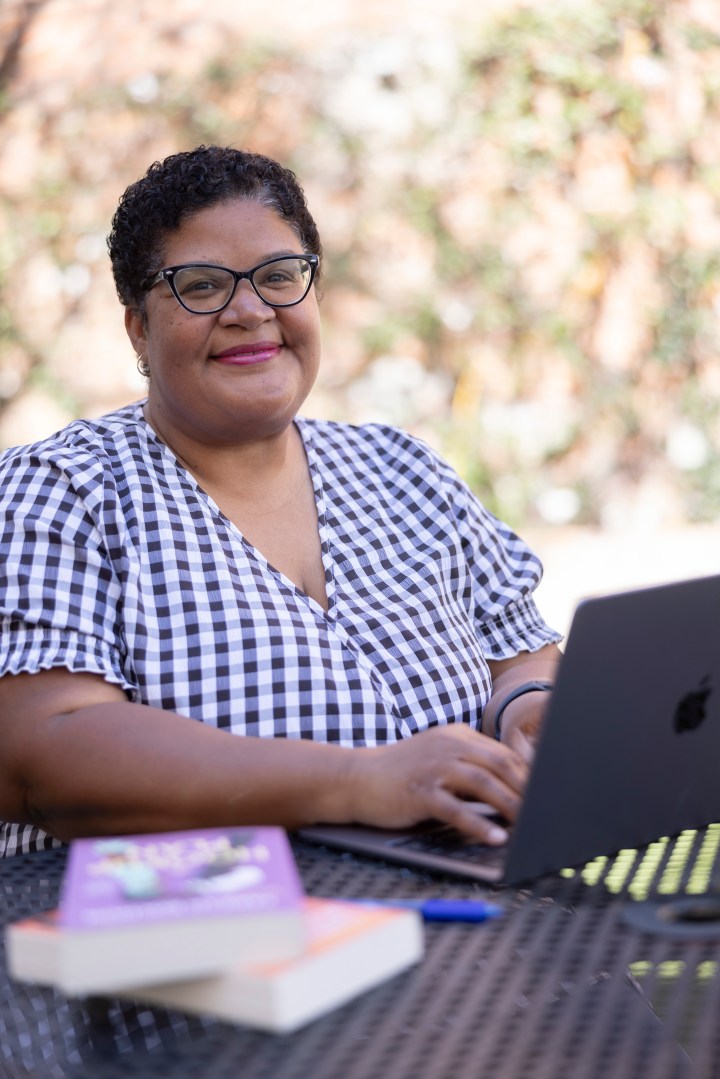

Farrah Rochon

Named a Military Friendly School for the 12th Consecutive Year

Southeastern has been named a Military Friendly® School for 2024-2025. This is the 12th consecutive year Southeastern has received the designation.

Southeastern continues to strive to be one of the best military and veteran-friendly institutions in the state of Louisiana and in the nation. Viqtory Media, publisher of “G.I. Jobs,” states the listing honors the top colleges, universities and trade schools that are doing the most to embrace the nation’s military service members, veterans, and spouses as students and to ensure their success on campus. This year Southeastern was awarded Gold Status, which is the highest award currently in the state of Louisiana.

“We are proud of our consistent listing, as it illustrates Southeastern’s continued commitment to serve active military, veterans and their families. It also places us among some of the top universities in the nation,” said President William S. Wainwright. “Most importantly, we know the designation means we are doing our best to serve those who have made many sacrifices in service to our nation.”

Southeastern enrolls 492 veterans, dependents and military service members. The university maintains a Veterans Upward Bound program; provides academic and other counseling services; offers scholarships specifically for military students and veterans; and maintains a wide range of online and distance learning programs that provide students with flexibility in scheduling.

Southeastern’s ROTC program, which is a sub-unit of the Southern University Army ROTC program, returned to Hammond in 2016 after more than a 20-year hiatus. Forty-six students now participate in the program, with 19 of them being contracted scholarship cadets.

Southeastern also serves as a resource center for thousands of Louisiana veterans in an effort to help active-duty military service men and women successfully transition to college through a new program called LaVetCorps.

Southeastern has a specific office dedicated to serving veterans and their family members. The Office of Military and Veteran Success has two full-time employees, a LaVetCorps Navigator, 10 student workers. The office processes all education benefits sponsored by the VA and DOD, conducts VA benefits counseling, offers priority registration for classes and on-campus housing, and more.

Director of Military and Veteran Success Emily Anthony, who is currently serving as a Captain in the Louisiana Army National Guard, said Southeastern recently became designated as a Purple Heart University by the Military Order of the Purple Heart, signifying an unwavering commitment to continuously improve services to combat-wounded veterans.

“The Southeastern community is passionately committed to serving our veteran community, and it truly shows through our customer service across campus,” said Anthony. “Each office works collaboratively to ensure a seamless experience for our students, and we continue to improve every day. We have created a network of resources involving countless local businesses and organizations that provide services to veterans. As a veteran myself, I am extremely proud to work here because of what we represent.”

Institutions competed for inclusion on the Military Friendly Schools list based on such categories as military support on campus, graduation and employment outcomes and career and job counseling services. The firm Ernst and Young independently tested the data provided by schools.

The 2024 list of Military Friendly Schools shows the commitment of those institutions in providing a supportive environment for military students, the company said in announcing the list.

Viqtory Media is a service-disabled, veteran-owned small business founded in 2001. In addition to “G.I. Jobs,” the company also publishes the magazine “Military Spouse.”

Now Offering a 100% Online M.A. in Strategic Communication

Southeastern’s Department of Communication and Media Studies is now offering a graduate degree in strategic communication. Designed for working individuals looking to expand their career horizons, this degree is 100% asynchronous online and requires no GRE score.

Interim Department Head Joe Burns said communicators with skills in digital strategy are in demand.

“Students in the program will learn to begin with the end by planning a high impact course of communication; respond effectively to new technologies, emerging media and market trends; and serve an important role in achieving strategic success,” Burns said.

Enrolled students will take courses in digital communication systems, integrated marketing communication, visual design for strategic communication, emerging media entrepreneurship, and strategic communication for non-profits.

Jobs associated with the degree include media planner, social media strategist, digital content developer, digital account executive, public relations specialist, and digital traffic analyst.

For more information, email stratcomm@southeastern.edu or call 985-549-5408.

Recent Graduate Receives National Science Foundation Graduate Research Fellowship

A recent Southeastern honors graduate has received the National Science Foundation Graduate Research Fellowship Program grant to further his academic career at Pennsylvania State University. Devin Schwaibold, who graduated from Southeastern in May with a degree in chemistry, was offered a position in the PhD program at Penn State to continue the research he began at Southeastern.

The NSF Fellowship is a prestigious award aimed at supporting graduate students in science, technology, engineering, and mathematics (STEM) fields. The fellowship provides financial support, including a stipend and allowances for research and professional development, allowing recipients to focus on their studies and research without the burden of financial concerns.

“The NSF GRFP is a highly competitive and esteemed recognition that provides financial support and networking opportunities to outstanding graduate students in STEM disciplines,” said College of Honors and Excellence Dean Claire Procopio. “This achievement not only highlights Devin’s academic excellence, but also signifies his potential for significant contributions to the field of chemistry.”

A resident of Ponchatoula, Schwaibold worked with Associate Professor of Chemistry Prem Chanda in the Chanda research group at Southeastern the past two years on diastereoselective aldol reactions of arylacetamides. His future goals are to go into the synthetic materials field and apply the reactions he has been working on to make a potential precursor to aromatase inhibitors. According to Schwaibold, this will give him the ability to continue doing synthetic work, the most enjoyable part of chemistry for him.

“Aromatase is a protein within the human body that has the potential to cause breast cancer due to an overproduction of estrogen, especially in postmenopausal women,” he explained. “An aromatase inhibitor can occupy the active site of the aromatase protein, ceasing its ability to produce estrogen, and therefore majorly lowering the risk of breast cancer.”

To be accepted into the fellowship program, applicants had to submit a research proposal on a project that could be completed over the course of graduate school. The proposals were judged in two areas—intellectual merit and broader impacts. Intellectual merit is the ability for the research to advance the knowledge in the selected field, while broader impacts is the potential impact the research may have within society as a whole.

“These are very competitive programs,” said Chanda, Schwaibold’s thesis director. “Devin is above and beyond in his studies, and I expect him to do well at Penn State.”

“This scholarship allowed me to be competitive when searching for graduate schools,” Schwaibold said. “This is an honor, and I certainly look forward to the next five years of working on my Ph.D. in chemistry.”

Schwaibold said Southeastern did a great job in preparing him for his future research, particularly the work he has done with Chanda’s group.

“Dr. Chanda has given me the freedom to develop as an independent researcher, for which I couldn’t be more thankful,” he said. “By joining the group, I essentially was able to grow my own project and work through obstacles with help from Dr. Chanda without having to hold my hand at every step, helping me run into growing pains and learning from them. I wouldn’t be the researcher I am today without my experiences within the labs I’ve been able to work in over my time at Southeastern.”

The grant will be a huge advantage for Schwaibold, he said, during his first years of graduate school. It will give him more freedom to look into research topics that interest him instead of having to conform to the research plans that are approved by the grants his lab receives.

“Since I’m bringing my own funding with me, it also offers the opportunity to join a research group that interests me but doesn’t have much funding yet, as I won’t be relying on my advisor for money,” he said. “Overall, the fellowship simply gives me a lot more flexibility that I wouldn’t have otherwise.”